Exploring the potential of microbiomes to advance Sustainable Development Goals
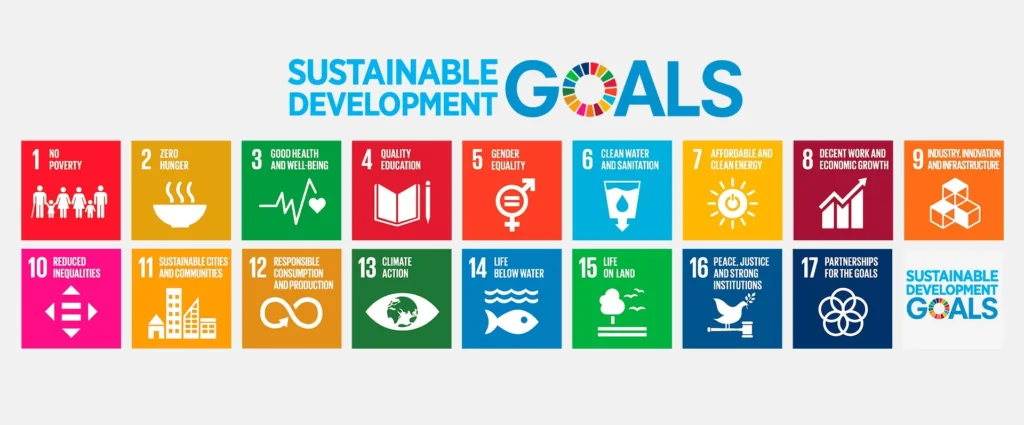
The United Nations 2030 Agenda for Sustainable Development recognizes science, technology, and innovation as critical enablers for achieving the Sustainable Development Goals (SDGs). These goals reflect the deep interdependence between human health, environmental integrity, and economic development, calling for systems-based and cross-sectoral solutions. Yet microbiomes remain insufficiently recognized in these goals despite their foundational role in all ecosystems.
Microbiomes: Key Drivers Across the SDGs
Microbiome science and biotechnology already contribute—directly or indirectly—to progress across most SDGs and should be systematically integrated into their implementation. Traditionally associated with SDG 3 (Good Health and Well-being), microbiome research has, indeed, advanced prevention, diagnostics, and therapies for infectious and non-communicable diseases. However, its transdisciplinary nature enables far broader impact for achieving these SDG goals.
For example, microbiome-based management of soils and plant–microbe interactions supports SDG 2 (Zero Hunger) by enhancing crop productivity and resilience in climate-stressed environments, while simultaneously advancing SDG 13 (Climate Action) through biodiversity protection and carbon sequestration. Similarly, microbiome-driven innovation fuels SDG 8 (Decent Work and Economic Growth) and SDG 9 (Industry, Innovation and Infrastructure) by enabling many new and diverse bio-based industries, local small and medium enterprises, and sustainable technologies.
The Food and Agriculture Organization has highlighted that “soil biodiversity, including microorganisms, is essential for sustainable and resilient food systems.” This recognition underscores microbiomes as natural allies in agro-ecological transitions, water treatment, circular bioeconomy solutions, and sustainable urban development.
Beyond technology, microbiome science also strengthens social cohesion. Microbiome-based solutions often rely on local and traditional knowledge—such as fermentation and ecosystem-based practices—combined with international, interdisciplinary collaboration. In this way, microbiomes contribute to SDG 10 (Reduced Inequalities) and SDG 17 (Partnerships for the Goals) by fostering equitable knowledge exchange and cooperation across regions, even amid geopolitical challenges.
Integrating Microbiome Science into Global Sustainability Policies
Despite growing awareness, advances in microbiome science are not yet fully embedded in global sustainability frameworks. We therefore call for their systematic integration into national and international sustainability-oriented policies, assessments, funding mechanisms, and science–policy interfaces. Doing so will enable more effective, evidence-based, and inclusive solutions for achieving the SDGs.
Recognizing microbiomes not as a niche topic but as a still unrecognized but powerful enabler of sustainable development is a crucial step toward delivering on the promise of the 2030 Agenda, for people, the planet, and future generations.
“Microbes are at the heart of every major challenge the UN Sustainable Development Goals aim to address, each and every one, in a rather direct way: from climate resilience and sustainable food systems to clean water, global health, thriving economies and peace. Recognizing this centrality, the American Society for Microbiology has made bold, strategic investments to elevate microbial innovation as a critical driver of climate, sustainability, and ecosystem health solutions. Through the establishment of the ASM Applied and Environmental Microbiology Unit and the expansion of the Academy’s sustainability portfolio, ASM is placing microbial science where it belongs, at the forefront of global action. Our efforts, including initiatives such as the Global Coalition for Microbial Sustainability and Climate Change, are accelerating scientific partnerships that turn microbial potential into real-world impact. ASM wants to join forces with global partners to advance progress faster, and we look forward to collaborating with the World Microbiome Partnership to help translate microbiome insights into transformative solutions.”
Arturo Casadevall and Stefano Bertuzzi, ASM